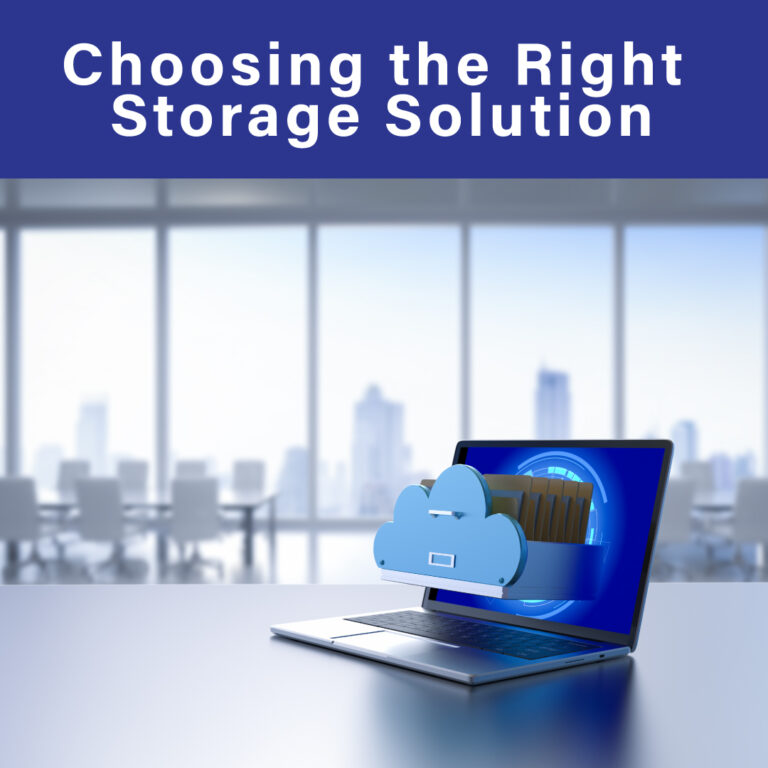
Choosing the right storage solution can mean the difference between smooth operations and costly downtime. In today’s data-driven world, every business, whether a startup or an established enterprise, relies on efficient storage solutions.
With a range of options available, from On-Premise servers to Cloud Storage Solutions, how do you determine what’s right for your business?
Let’s help you make the right choice.
Here are 6 key considerations you should focus on:
1.Capacity: Plan for Today and Tomorrow
Data grows faster than most businesses anticipate.
When selecting a Data storage solution, consider not just your current needs but also future growth.
Estimate the amount of data your business generates monthly.
Factor in backups, archival data, and potential spikes in usage.
Ensure the solution allows easy expansion, scalability is crucial.
2. Speed and Performance: Match Storage Solution to Workload
Not all data is equal. Some tasks, like database transactions or real-time analytics, demand faster access than others, like archival records.
Look at read/write speeds, IOPS (Input/Output Operations Per Second), and latency.
Consider tiered storage—high-speed SSDs for critical operations and cost-effective HDDs for less urgent data.
3. Scalability: Grow Without Headaches
A storage system should grow with your business, not hold it back.
Modular solutions allow incremental upgrades.
Cloud storage offers flexible scaling, eliminating the need for physical hardware upgrades.
Hybrid models give the best of both worlds: on-premise control with cloud flexibility.
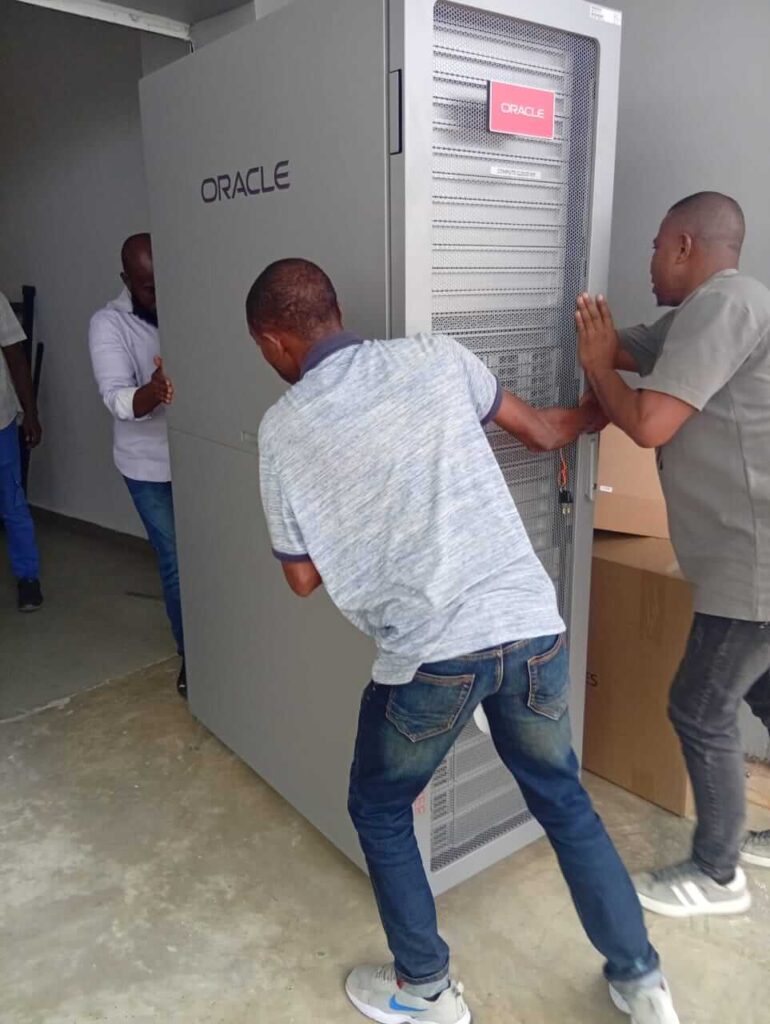
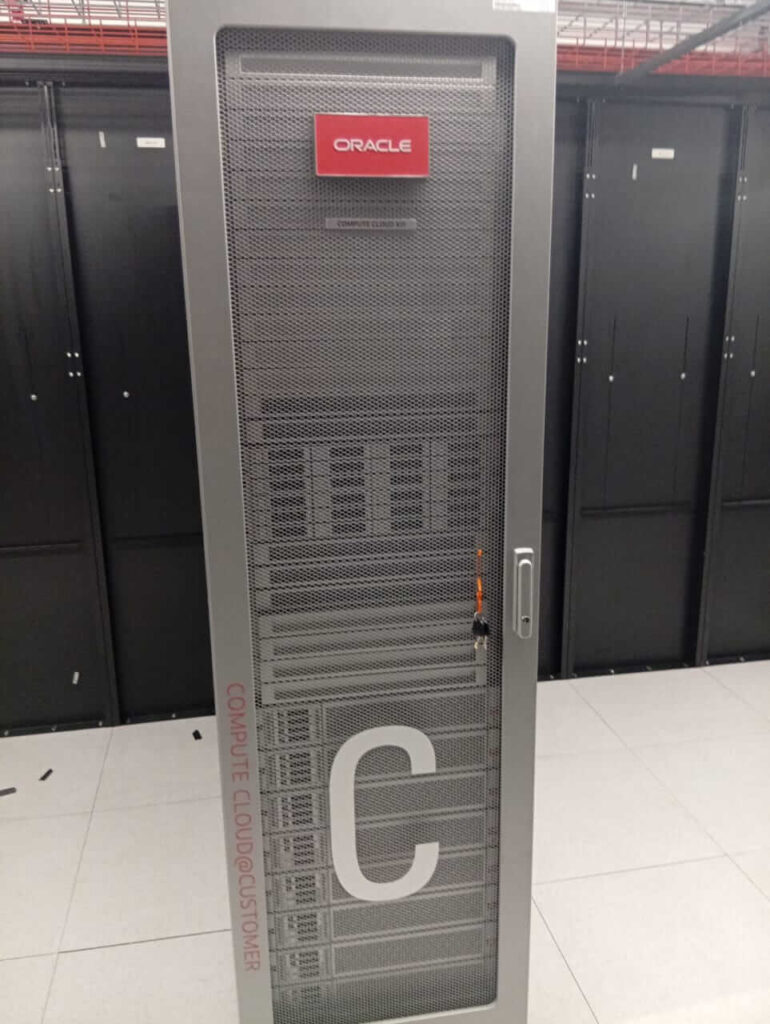
Recently delivered storage for a leading Financial Services Organization in Nigeria.
4. Security: Protect Your Most Valuable Asset with the right storage solution
Data breaches can be catastrophic. Any storage solution must prioritize security.
Look for encryption at rest and in transit.
Implement access controls and multi-factor authentication.
Ensure the provider or system complies with relevant regulations, such as GDPR, PCI DSS, or local data protection laws.
5. Budget: Balance Cost and Value
Cost isn’t just the initial purchase price; consider total cost of ownership.
Hardware, software, maintenance, and support costs all add up.
Cloud solutions often operate on a subscription model-factor in long-term costs.
Don’t compromise on reliability or security for short-term savings; downtime can cost far more than storage solutions.
6. Vendor Support and Reliability
Even the best systems need support. Choose vendors known for reliability and excellent support.
Check reviews, uptime guarantees, and response times.
Consider service-level agreements (SLAs) that clearly define support expectations.
Conclusion
Selecting the right storage solution isn’t just a technical decision, it’s a strategic one. Businesses need systems that can grow with them, protect their data, and support operational efficiency.
By focusing on capacity, speed, scalability, security, and budget, you can make a choice that empowers your business today and positions it for the future.
At TDS Hitech Solutions, we provide Software Solutions, Data, storage solutions that helps you manage, modernize and secure your enterprise across your end-points, on premise infrastructure and in the cloud.
Call us today: +234 815 037 5726
Email us: info@tdstechng.com
Follow us on our Social handles