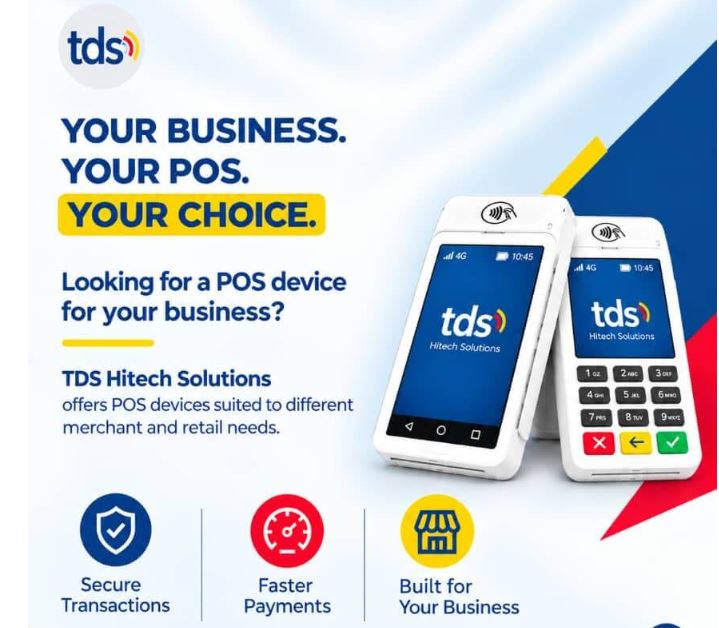
A customer can love your product and still leave with a poor impression because of the last 30 seconds of the visit. The card machine hangs, the network drops, the queue grows, and what should have been a simple payment becomes the thing they remember.
Payment infrastructure is part of the customer experience. At the point of payment, every unnecessary delay becomes part of how people judge your business. That is why choosing the best POS system or the best ATM system is a customer-experience decision as much as a technology purchase.
Where technology meets the customer
POS hardware and ATMs sit at the exact point where your technology meets your customer. A slow or unreliable transaction point affects more than the sale. It affects staff morale, queue length, and the way people talk about your business afterwards.
Reliable hardware supports smoother operations. Unreliable hardware turns every busy period into a stress test.
Every great payment experience starts with the right technology, the right devices, and a supply partner that understands your institution.
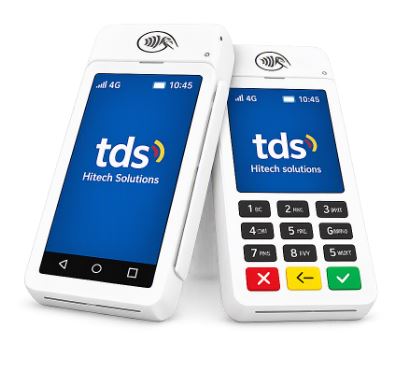
What to look for in the best POS system
When comparing options, look past the brochure and ask four questions.
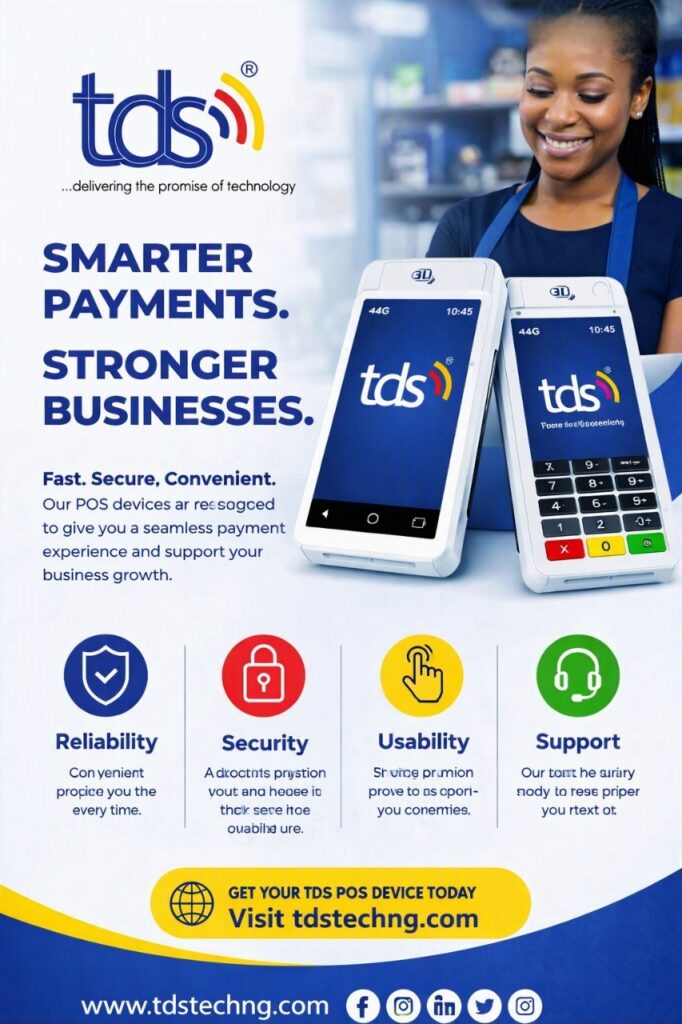
- Reliability. Will the device perform at peak hours, not just in a demo? Look for stable processing, strong battery life where relevant, and hardware built for daily commercial use.
- Security. Payment devices handle sensitive data. Choose hardware that meets recognised card-security standards and supports encrypted transactions, so both your business and your customers are protected.
- Usability. Your staff should be able to learn the device quickly. A clear display, responsive keypad or touchscreen and simple receipts reduce errors and training time.
- Support. Even great hardware needs backup. Ask about installation, maintenance, replacement and response times before you buy. Support often matters more than the device itself.
Understanding the ATM network
If you are considering an ATM, you need to understand the ATM network behind it. An ATM is not a standalone box. It depends on switching, connectivity, and settlement between banks and processors. When that network is stable, customers withdraw cash quickly. When it is not, you get failed transactions and frustrated users.
This is why payment hardware should be viewed as part of the wider banking and business technology environment, not simply as a standalone device. The best ATM system is the one that fits into that environment reliably, from connectivity to cash management to maintenance.
Cash machine price: what really determines cost
Many buyers start with the cash machine price, which is understandable, but the sticker price is only part of the picture. Consider:
- Hardware type and capacity: how much cash it holds and what functions it offers
- Installation and site preparation: location, power and security
- Connectivity and network fees: ongoing running costs
- Maintenance and support: servicing, spare parts and downtime response
- Software and compliance: updates and security requirements
A cheaper machine that is often offline can cost far more in lost transactions and lost customer goodwill than a dependable one. Ask suppliers for a full cost breakdown rather than comparing a single number.
The best use of ATM/POS in business
The uses go beyond cash withdrawal. Depending on configuration, pos machines can support balance enquiries, transfers, bill payments and deposits, giving customers convenient self-service around the clock.
POS terminals complement this by letting businesses accept card and electronic payments quickly at the counter, on the floor or on the move. They are used in:
- Retail and supermarkets: for fast checkout and on-site cash access
- Restaurants and hospitality: for table-side payments and shorter waiting times
- Fuel stations and pharmacies: for high-volume transactions that need dependable uptime
- Offices, hotels and estates: to get convenient cash access for staff and visitors
- Mobile and field businesses: for on-the-go sales.
Technology becomes valuable when it removes friction from everyday business operations. That applies to connectivity, payment hardware and the systems that tie them together. The goal is not to own the most advanced device but to make every transaction feel effortless for the customer and manageable for your team.
Before you invest, ask yourself: If this device failed at our busiest hour, what would it cost us? The answer usually shows why reliability, security, usability and support should come before price.
If you are exploring the best ATM / POS system or a complete payment setup for your business, speak with our team at TDS Hitech Solutions to find a solution that fits your operations and keeps customers moving.